Libbey 16oz Howdy Christmas Wrap Review for Real Embroidery Projects
As an experienced designer and embroidery product reviewer, I often find myself evaluating digital embroidery files not just on paper, but through the lens of how they will perform in real-world projects. Libbey 16oz Howdy Christmas Wrap caught my attention with its festive yet western twist, making it a compelling option for holiday-themed custom apparel and gifts. Let’s dive into what this design brings to the table from both an artistic and practical standpoint.
First Impressions: A Festive Western Vibe
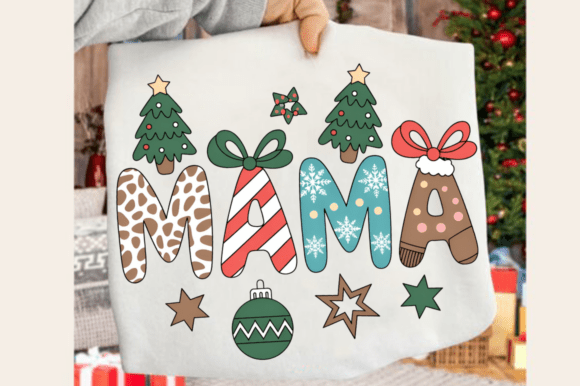
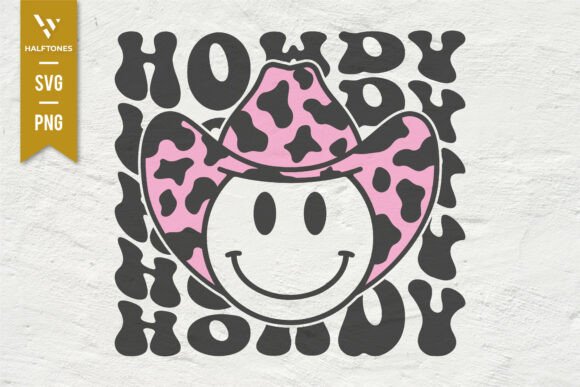
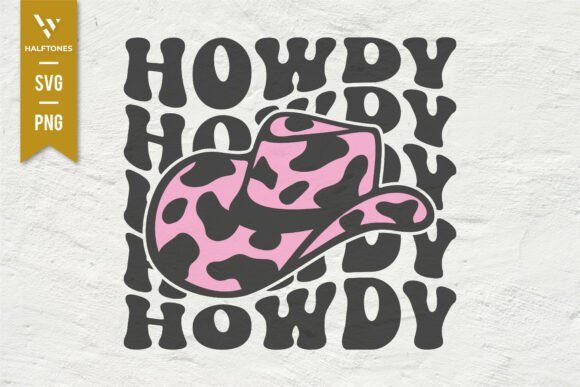
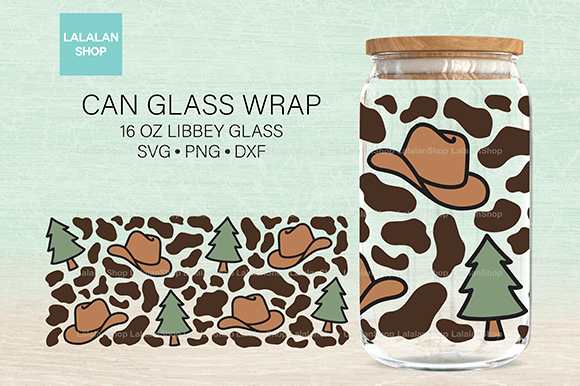
The moment I unzipped the digital download for Libbey 16oz Howdy Christmas Wrap, I was greeted by a cheerful layout that blends rustic charm with holiday cheer. The central motif features a stylized can wrap illustration—perfectly suited for mugs or drink cans—but with a clever adaptability that makes it ideal for other applications like tote bags, sweatshirts, or even embroidered patches.
What stands out is the visual personality of the design. It feels warm, approachable, and slightly nostalgic, which is a big plus when aiming for handmade appeal. The use of clean lines and bold shapes gives it a strong presence without being overwhelming. This balance is key for designs intended for commercial embroidery or small shop products where clarity and brand recognition matter.
Design Layout and Detail Level
From a technical standpoint, the layout is well-structured. The SVG format (along with PNG and DXF) offers flexibility across different platforms and machines, which is great news for crafters using Cricut or similar tools. The detail level is moderate—enough to convey a sense of authenticity and care, but not so intricate that it becomes a nightmare to stitch on less forgiving fabrics.
This kind of detail is especially important when considering holiday embroidery for items like baby clothes or personalized gifts. Too much detail can lose its charm after stitching, while too little may feel generic. Here, the design strikes a good middle ground.
Real-Life Use Scenarios: Where This Design Shines
Let’s imagine a scenario: You’re an Etsy seller preparing a batch of custom sweatshirts for the upcoming holiday season. You want something that screams “handmade” and “festive,” but also needs to look professional enough for boutique branding. Libbey 16oz Howdy Christmas Wrap could be your perfect match.
- Tote bag design: The graphic works beautifully as a front-facing applique. Its size and shape are well-suited for cotton canvas, and the clean edges translate well into satin stitch outlines.
- Sweatshirt embroidery: Placed on the chest or sleeve area, this design adds a touch of western flair to cozy knits. Just make sure the fabric isn’t too stretchy or thin to avoid distortion during stitching.
- Custom apparel and aprons: The design has enough character to stand alone, making it a great candidate for solo placement on kitchen aprons or casual wear.
- Holiday gift embellishments: When stitched onto felt or muslin, it looks like a printable mockup come to life—ideal for ornamented gift boxes or tags.
Its versatility extends beyond fabric-based projects. As a graphics file, it can be used as part of your design assets for digital product previews, helping you create cohesive branding for your craft business. Whether you're selling handmade products at a local market or online, this design can add a memorable touch.
Where to Use with Caution
While Libbey 16oz Howdy Christmas Wrap is adaptable, there are certain situations where you’ll need to tread carefully:
- Small hoop sizes: The design includes several elements that might require more space than you have available. If your hoop is tight, consider simplifying or resizing before stitching.
- Textured or stretchy fabrics: These can affect stitch clarity, especially if the design contains fine details or curved areas. Test on scrap first.
- Dark fabric backgrounds: Thread colors included in the design may not contrast well on darker materials. Always test thread color options to maintain visual appeal.
- Products needing frequent washing: Dense stitch areas can lead to puckering over time. Make sure your stabilizer and tension settings are optimized for durability.
For commercial embroidery purposes, it’s worth noting that the file doesn’t include explicit licensing information. If you plan to sell finished products or resell the digital files themselves, confirm whether the terms allow for such usage. Many designers overlook this step, only to run into issues later.
Stitching Performance and Visual Appeal
One of the most important aspects of any machine embroidery design is how it translates from screen to fabric. In this case, the design maintains its visual appeal thanks to thoughtful use of stitch types and spacing. The main outline appears to be designed for satin stitch, giving it a polished edge, while inner elements use fill stitch effectively to add dimension without becoming too heavy.
If you're working on a sweatshirt embroidery project, the design should sit comfortably on the chest area without feeling cramped. For smaller items like caps or embroidered patches, however, some adjustment might be necessary. The corners and curves are smooth, but they won’t forgive poor tension or incorrect stitch density.
Thread colors are a nice touch—bright and festive, but still grounded in a western aesthetic. They work well on light-colored garments, though they may struggle to pop on darker ones. Always review the thread color choices against your fabric in black and white to ensure visibility and contrast.
Handmade Presentation and Brand Consistency
As someone who regularly works with small shop product lines, I know that consistency is crucial. This design helps maintain a cohesive look across multiple items, especially if you pair it with complementary motifs or text. It’s the kind of asset that makes your handmade products feel intentional and curated.
Customer trust is another factor. When your personalized gift items or boutique merchandise feature clear, professionally stitched designs, buyers get the impression that your work is reliable and high-quality. That subtle boost in perceived value can go a long way in a competitive market like Etsy or craft fairs.
Practical Designer Notes for Implementation
Before diving into production, here are some essential steps every embroiderer should take:
- Test on scrap fabric: Especially if you're planning to scale up for commercial embroidery. This allows you to spot any potential issues with stitch density or fabric behavior early on.
- Check thread color contrast: Even if the design looks good on screen, it might not show up as clearly on your chosen material. Try a few variations to see what works best.
- Review stitch density: Adjust fill stitch density based on fabric thickness. Too loose and it loses definition; too tight and it risks puckering.
- Confirm hoop size: While the design seems moderately sized, always double-check the recommended hoop dimensions for optimal results.
- Inspect small details: Look closely at lettering or corner elements. Tiny features can become lost if not properly supported by stabilizer or adjusted for scale.
- Use proper stabilizer: Depending on the fabric, tear-away or cut-away stabilizers may be needed to keep everything flat and prevent shifting.
- Compare light and dark backgrounds: See how the design holds up under different lighting conditions and on various fabric shades to ensure it remains legible and appealing.
- Test in black and white: This reveals how well the design will work with limited color palettes or if you decide to change thread colors later.
- Check machine compatibility: Since specific machine requirements aren’t listed, always verify that your embroidery software and hardware support the formats provided (SVG, PNG, DXF).
- Confirm licensing: If you plan to sell finished items or distribute the digital files, ensure the license permits such use. Otherwise, you risk legal complications down the line.
Final Thoughts: A Reliable Holiday Graphic for Creative Entrepreneurs
Overall, Libbey 16oz Howdy Christmas Wrap is a solid choice for those looking to bring a bit of western charm into their holiday embroidery projects. It’s visually appealing, technically sound for most common uses, and easy to incorporate into a variety of handmade products and design assets.
However, it’s not a one-size-fits-all solution. Its performance depends heavily on the specifics of your setup—thread quality, fabric type, machine settings, and hoop size all play a role in how it turns out. Take the time to test and adjust, and you’ll be rewarded with a finished product that customers love and that fits seamlessly into your creative workflow.
Whether you're an embroidery designer, a small business owner, or a hobbyist crafting personalized gifts, this design can elevate your offerings. Just remember to treat it like any other illustrations and graphics—with respect for the medium and a critical eye for execution.