★★★★☆4.2(191 reviews)
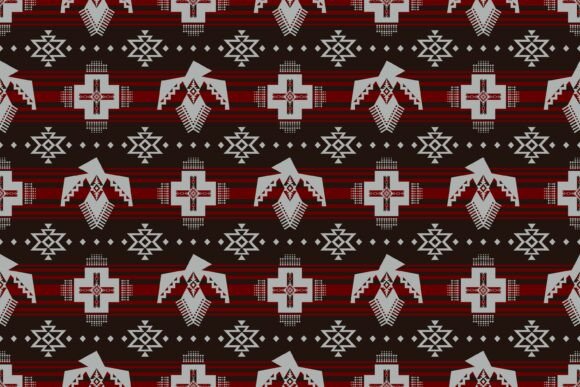
Native American Southwest Stripes Design Review for Real Projects
Real-World Performance in Embroidery Projects
For sweatshirt embroidery, the design holds up well if the fabric is pre-washed and stabilized properly. I recommend using a medium-weight stabilizer to maintain clarity in the stripes and prevent distortion from the knit. On tote bag designs, the pattern looks stunning across the full width of the canvas, especially when placed near the top or bottom edge. The symmetry and balance make it ideal for creating a focal point without overwhelming the piece. In home décor elements, such as pillow covers or kitchen towels, the design adds a decorative yet functional element. The simplicity of the stripe pattern ensures it won’t clash with other embellishments or text, making it a safe choice for layered embroidery projects. It also translates nicely into embroidered patches, though care must be taken with small corners and edges during cutting.Commercial and Etsy Use Considerations
If you're an Etsy seller or part of a craft business, this design can elevate your product line by adding a unique, culturally inspired aesthetic. Customers often respond positively to patterns that evoke a sense of place or tradition. However, it's important to ensure that the design aligns with your brand’s values and licensing terms. Since the description mentions it is suitable for commercial use, always double-check the provided license before selling finished products or digital embroidery files. As a design asset for printable mockups, it works well in both digital paper and sublimation print formats. The seamless aspect of the pattern allows it to wrap around objects smoothly, making it ideal for showcasing on online listings or promotional materials.Design Caution Zones
- Small hoop sizes: The pattern contains enough detail to lose clarity in tight spaces. If you're planning to embroider on a patch or cap, consider scaling down carefully or using only a section of the design.
- Textured or stretchy fabrics: The precision of the pattern may get lost on materials like fleece, felt, or knits without proper stabilization. Always test on scrap fabric first.
- Dark fabric backgrounds: Thread color contrast becomes crucial. While the design includes a variety of hues, black and white mockups are essential to confirm visibility and impact.
- Dense stitch areas: Some parts of the pattern feature closely packed stitches, which could lead to puckering or fabric strain if not managed with the right stabilizer and tension settings.
- Products needing frequent washing: The intricate stitch work might degrade over time if used on garments or textiles that endure regular laundering. Reinforce high-stress zones and choose durable threads.
Practical Designer Notes
- Test on scrap fabric: Especially if you plan to use it on textured or stretchy materials.
- Review stitch density: Look for areas where fill stitches might cause puckering or where running stitches could fray.
- Confirm hoop size requirements: Larger sections of the pattern will need bigger hoops; smaller ones should be manageable but still require attention to alignment.
- Inspect small details: Ensure that corners and thin lines don’t distort or disappear during resizing.
- Use proper stabilizer: A tear-away or cut-away stabilizer can make a big difference in maintaining shape and stitch integrity.
- Check thread color compatibility: Experiment with different combinations to match your brand palette or customer preferences.
- Compare light and dark backgrounds: You’ll want to see how the pattern interacts with various fabric tones to ensure consistent visual appeal.
- Consider licensing: Even if the design is labeled as commercial-friendly, verify the exact terms to avoid any legal issues later.
Impact on Product Value and Customer Perception
One of the things I appreciate about Native American Southwest Stripes is how it subtly enhances the perceived value of a product. It doesn’t just look good—it tells a story. When applied to a handmade product, it adds a layer of intentionality and artistry. As a personalized gift or holiday embroidery piece, it brings warmth and a sense of occasion. From a branding perspective, the design supports consistency if you’re building a line around Western, bohemian, or artisan themes. It can help differentiate your small shop product from mass-produced alternatives. Customers often associate such patterns with quality craftsmanship and thoughtful design, which can boost customer trust and buyer engagement. However, it’s not a one-size-fits-all solution. The design’s visual weight means it’s best suited for products where it can breathe. Avoid using it in conjunction with too many other graphics or text unless they’re minimal and balanced. Also, be cautious with decorative accents that overlap with the pattern, as they can muddy the overall look.Aesthetic Versatility and Stitching Clarity
This pattern strikes a nice balance between being distinctive and adaptable. In custom apparel, it can serve as either a background or a central motif depending on how it’s scaled and positioned. Its repetitive nature allows for creative placement strategies, like wrapping around a sleeve or repeating along the hemline. On the stitching side, I’ve found the file to be well-structured, with clear transitions between satin and fill stitches. But keep in mind that dense areas may require adjustments in tension or thread type to avoid stiffness or breakage. If you’re an apparel decorator or someone preparing commercial embroidery for a boutique, these considerations are key to delivering a polished finished product.Final Thoughts for Creative Entrepreneurs
In summary, Native American Southwest Stripes is a solid addition to your design library if you're targeting Western home decor, custom apparel, or handmade gifts. It offers a rich, cultural vibe that stands out without being overbearing. Whether you're an embroidery designer, a digital product seller, or a craft fair vendor, this design can enhance your offerings when used thoughtfully. But remember: every project is different. What works beautifully on a cotton tote might not translate well to a stretchy baby sweater. Take the time to test, adjust, and refine based on your specific needs. And always check the file format and licensing details—especially if you plan to sell it as part of a digital embroidery file package or include it in your design assets for resale. By approaching Native American Southwest Stripes with a practical mindset and respecting the nuances of its structure and origin, you can create standout Embroidery projects that resonate with customers and reflect your commitment to quality and creativity.
⬇️ Download Free
Free download · No sign-up required
🔗 You Might Also Like
Patterns
First Impressions and Design Personality The Yellow Red Native American Pattern ...
Patterns
As an experienced embroidery designer and product reviewer, I always look for pa...
Patterns
As an experienced embroidery designer and product reviewer, I often find myself ...
Patterns
As an experienced embroidery designer and product reviewer, I always approach a ...
Patterns
As an embroidery designer and product reviewer with years of hands-on experience...
