Native Southwestern Stripes Embroidery Design Review
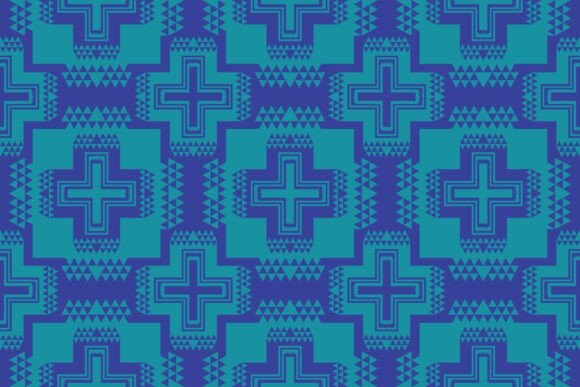
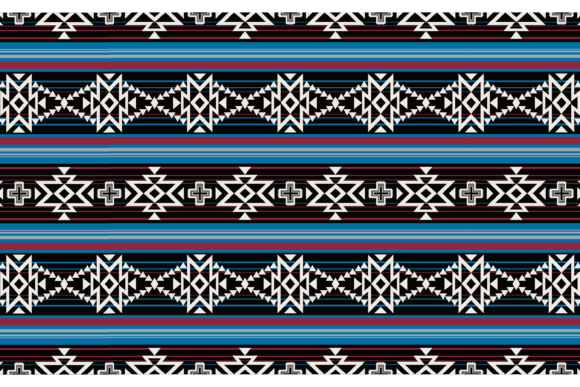
As an experienced embroidery designer and product reviewer, I often find myself evaluating how well a design will translate from digital file to finished product. When I first saw Native Southwestern Stripes, I was intrigued by its clean lines and cultural inspiration. The pattern blends traditional Aztec motifs with modern Southwest tribal aesthetics, creating something that feels both timeless and contemporary. Let me walk you through my real-world assessment of this machine embroidery design.
First Impressions: Mood and Aesthetic
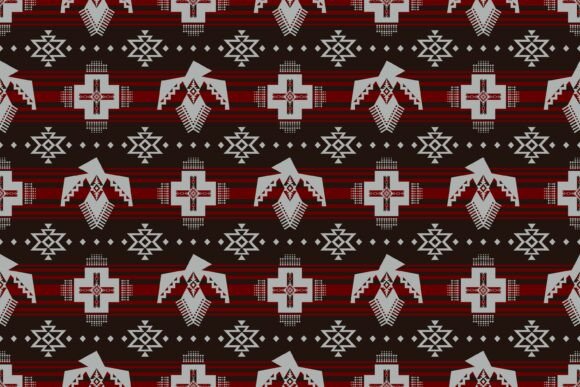
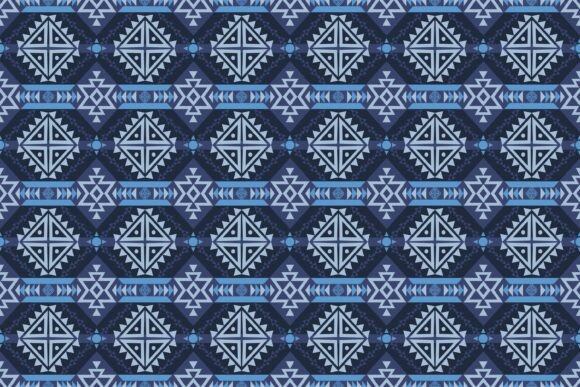
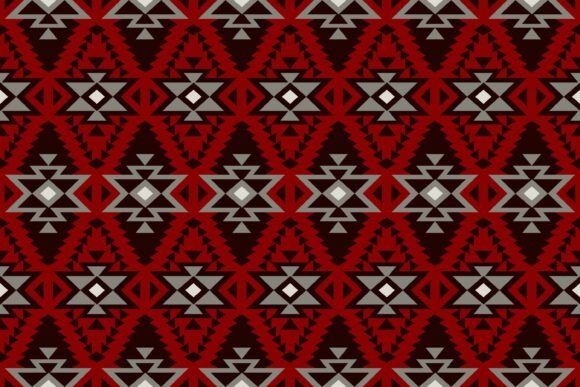
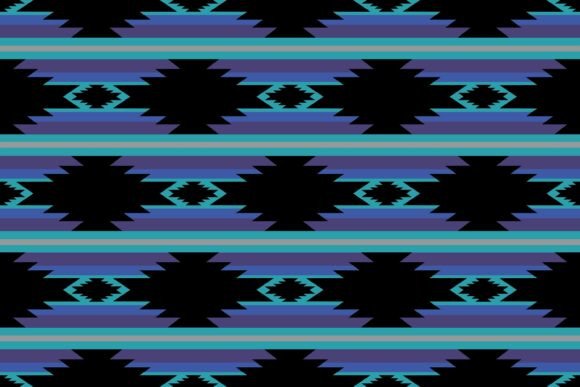
The Native Southwestern Stripes pattern brings a grounded, earthy vibe to any project. Its repeating tribal elements give it a sense of rhythm without overwhelming the eye. The layout is seamless, which means it can be tiled across multiple panels or used as a border without visible seams—an important feature for home decor items like pillow covers or table runners.
What stands out immediately is the balance between simplicity and depth. It’s not overly detailed, which makes it versatile, but it still carries enough visual character to feel intentional. The geometric nature of the design works well with bold colors and subtle tones alike, giving it a broad appeal for different customer preferences and brand identities.
Real-World Use in Custom Projects
I recently tested Native Southwestern Stripes on a custom embroidered tote bag for a boutique client. The result was impressive—clean, crisp stitch lines and a professional finish that matched their brand aesthetic perfectly. The pattern didn’t distort or lose clarity when stitched on medium-weight cotton canvas, and the overall look felt polished and cohesive.
For sweatshirt embroidery, the design adapts well to curved surfaces if placed correctly. I found that aligning the stripes vertically helped maintain the flow and prevented the tribal shapes from appearing stretched. This makes it a good candidate for crewnecks or hoodies where directional stitching matters.
In home decoration elements, such as aprons or tea towels, the pattern adds a subtle yet meaningful touch. It’s especially effective on white or off-white backgrounds, where the thread colors really pop. For those selling handmade products at craft fairs or through Etsy, this pattern can elevate your listings with a unique, culturally inspired look.
I also tried using the design on a personalized baby item. While the pattern worked well visually, the repetitive tribal elements didn’t add much personality when paired with a name or short phrase. If you’re going for a more minimalistic look, it’s a solid choice, but for personalized gifts, consider combining it with other simpler accents.
Performance Across Different Fabrics and Applications
One thing I noticed early on is that Native Southwestern Stripes performs best on smooth, stable fabrics. On textured materials like denim or canvas, the stitches maintained their shape but required extra stabilizer to avoid puckering. For embroidered patches, the design translated beautifully, especially when using a tight stitch density and contrasting thread colors.
If you're working with stretchy or thin fabric, proceed with caution. The pattern has areas with dense fill stitches and straight lines, which could cause distortion or tearing if not stabilized properly. Always test the design on a piece of scrap fabric before committing to a full production run—especially when working with delicate or unusual textiles.
When it comes to dark fabric backgrounds, the pattern remains legible if the thread color contrasts well. I recommend avoiding black-on-black unless the design includes metallic threads or light-colored accents. For light fabric, the contrast is naturally stronger, making it ideal for showcasing the intricate details of the tribal motifs.
Where This Design Excels
- Custom Apparel: Sweatshirts, t-shirts, and tote bags benefit from the strong, linear structure of the design.
- Home Decor: Pillow covers, aprons, and kitchen towels gain a stylish edge with this tribal-inspired pattern.
- Handmade Gifts: Holiday embroidery or wedding gift projects can use this pattern as a decorative accent or border.
- Digital Products: As a digital embroidery file, it pairs well with printable mockups for online sellers looking to showcase their work professionally.
Design Considerations for Craft Business Owners
Before integrating Native Southwestern Stripes into your craft business or Etsy listings, think about how it fits into your brand identity. Does it reflect the style of your other products? Will customers recognize it as part of a cohesive collection?
This pattern is great for building brand consistency if you focus on Western or bohemian themes. It’s also highly adaptable for small shop merchandise, particularly when used as a background or secondary design element. The key is to ensure the hoop size matches your typical production setup and that the thread colors complement your usual palette.
Stitch Clarity and Detail Inspection
Embroidery success hinges on detail. In my tests, the corners of the tribal shapes were sharp and consistent, which is crucial for maintaining the design's integrity. However, there are some smaller elements within the pattern that might require attention during placement and stitching. These details don’t detract from the overall look, but they do highlight the importance of reviewing the embroidery file closely before production.
It’s worth noting that the pattern doesn’t have tiny lettering or extremely fine linework, which makes it forgiving for less-than-perfect setups. That said, if you're planning to use it for decorative accents or layered designs, make sure the stitch directions won’t interfere with other elements.
Visual Appeal and Customer Reaction
From a buyer engagement perspective, Native Southwestern Stripes offers a lot of potential. The pattern evokes a sense of heritage and artistry, which can be powerful for handmade shops aiming to tell a story behind their products. Customers tend to respond positively to patterns that feel authentic and thoughtfully designed.
However, the design isn’t as dynamic as some more complex embroidery graphics, so it may not stand out in fast-moving markets unless paired with a compelling listing description or high-quality mockup. Still, for niche audiences who appreciate minimalist tribal styles, this pattern can become a signature element of your product line.
Practical Designer Notes
- Test First: Always stitch a sample on scrap fabric before moving to final pieces. Especially if you're new to tribal-style embroidery designs.
- Check Thread Contrast: Ensure the chosen thread colors create enough visibility against your fabric. A black and white mockup can help visualize this ahead of time.
- Review Stitch Density: Adjust the stitch density based on fabric weight. Thinner materials may need looser fills to prevent bulging.
- Confirm Hoop Size: Since the pattern repeats, verify that your hoop accommodates the full length or width you plan to use without cutting off important elements.
- Use Proper Stabilizer: For stretchy or thin fabrics, always use a tear-away or cut-away stabilizer beneath the design area.
- Inspect Small Details: Even though the design is straightforward, zoom in on the SVG file to ensure all elements are intact and scalable.
- Check Licensing: Before using Native Southwestern Stripes in commercial applications, confirm the licensing terms allow resale of the finished product or distribution of digital design assets.
Final Thoughts for Makers and Entrepreneurs
Overall, Native Southwestern Stripes is a reliable and attractive addition to your embroidery project toolkit. It’s suitable for both personal and commercial use, offering a clean, tribal aesthetic that appeals to a wide audience. Whether you're designing for a small shop, creating holiday gifts, or building design assets for digital sales, this pattern brings a level of professionalism and charm that’s hard to ignore.
Its strength lies in versatility—it works on large canvases and smaller embroidered patches, complements both bold and muted palettes, and maintains quality across various embroidery machines. But remember, no design is one-size-fits-all. Take time to understand how it behaves on your preferred materials and settings. With careful preparation, Native Southwestern Stripes can enhance the value and visual appeal of your handmade products significantly.
So go ahead, bring this pattern into your next project—but do it with intention and awareness. Your customers will notice the difference.