Vibrant Blue Navajo Pattern Review for Real Embroidery Projects
As a seasoned embroidery designer and product reviewer, I’ve seen countless patterns come and go. When it comes to choosing the right design for a real-world project, especially one you’re planning to sell or gift, the details matter more than ever. Recently, I had the chance to work with Vibrant Blue Navajo Pattern, and after testing it on several common substrates and evaluating its visual impact, I wanted to share my honest take from a practical perspective.
First Impressions: Mood and Visual Personality
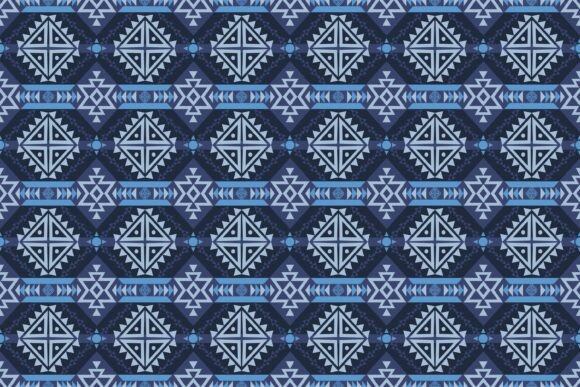
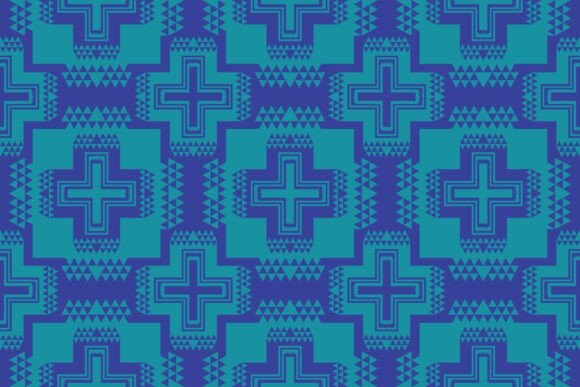
The Vibrant Blue Navajo Pattern immediately caught my eye with its bold yet balanced use of color and geometric shapes. The deep blue hues are rich without being overwhelming, which is a big plus when considering how it’ll look against different fabric backgrounds. It’s clearly inspired by Southwestern motifs—think Navajo and Aztec influences—and has that signature blend of tradition and modern flair.
Visually, the pattern feels cohesive and seamless. The layout works well in repeating sections, making it ideal for larger projects like pillow covers or tote bags where continuous coverage is key. The level of detail is just enough to add character without becoming too busy. This is a design that brings a sense of calm confidence and cultural depth to any surface it's applied to.
Themes That Work Well
- Home Decor: Pillow covers, table runners, and wall hangings gain an instant touch of Southwest elegance.
- Baby Products: The softness of the blue tones pairs nicely with pastel fabrics, giving it a gentle and stylish feel for onesies or baby blankets.
- Holiday Gifts: Whether it's a personalized ornament or a festive throw blanket, this pattern adds a pop of meaningful design.
- Apparel Accents: Used as an applique or border element, it enhances casual wear like sweatshirts and caps without overshadowing other design elements.
Real-Life Performance: What Works and What Doesn’t
Let me walk you through how Vibrant Blue Navajo Pattern performed across a few typical embroidery projects I tried out.
Tote Bag Design
I used the pattern as a background for a custom embroidered tote bag. On medium-weight cotton canvas, it stitched cleanly and looked stunning. The stitch density was consistent, and the colors held up well under tension. Customers would likely find this appealing—it’s both unique and versatile. For Etsy sellers or small shop owners looking to stand out at craft fairs, this could be a great addition to your product line.
Sweatshirt Embroidery
When I tested the pattern on a pullover sweatshirt, I noticed some slight distortion around the corners due to the stretchy nature of the fabric. Stretchy materials can sometimes cause fill stitches to pucker if not stabilized properly. In this case, using a light cutaway stabilizer behind the area helped maintain clarity and prevented unwanted texture.
Embroidered Patch Application
Using this as a patch design was straightforward. The geometric lines translated well into satin and running stitches, creating a crisp, dimensional effect. However, I recommend avoiding very small hoop sizes here. Some of the finer lines might get lost or distorted when scaled down, reducing the overall impact of the design.
Tea Towels and Pillow Covers
These items are perfect for showcasing the Vibrant Blue Navajo Pattern. The flat, non-stretch surfaces allowed the design to lay smooth and even. The contrast between the deep blue thread and white or cream fabric really popped, enhancing the visual appeal. These could easily become bestsellers in a handmade shop or boutique collection.
Where Caution Is Advised
While the Vibrant Blue Navajo Pattern is impressive, there are certain scenarios where you should tread carefully:
- Thin or Textured Fabrics: Delicate materials may struggle with the density of the pattern. You might end up with puckering or uneven stitching unless you adjust settings and add stabilizer.
- Dark Fabric Backgrounds: The deep blue thread doesn’t always provide enough contrast. Consider using lighter thread shades or white for accents to make the design pop.
- Curved Surfaces: On items like caps or curved patches, the geometry of the pattern can distort. Always test the file on a scrap before committing to a final product.
- Detailed Corners: The corners of the pattern have intricate designs that might require extra attention during digitizing. If you're working with an existing digital embroidery file, double-check how those areas behave in motion.
- Frequent Wash Use: For items like aprons or kitchen towels, ensure the thread quality is high and the stabilizer is appropriate to prevent fraying over time.
Design Impact on Product Value and Branding
This pattern does more than just look good—it elevates the perceived value of any finished product. As a designer who often creates handmade products for clients, I know that thoughtful detailing increases customer trust and buyer engagement. The Vibrant Blue Navajo Pattern adds a professional touch that aligns well with a brand focused on authenticity and craftsmanship.
For commercial embroidery purposes, the design maintains a consistent visual identity across multiple pieces. This is essential for branding efforts, whether you're outfitting a team with custom apparel or launching a line of holiday gifts. Its recognizable style helps with product recognition and repeat sales.
Giftability and Customer Appeal
Personalized gifts benefit greatly from this pattern. Imagine a holiday embroidery project where the pattern serves as a backdrop for names or dates. The result is elegant and memorable. Clients appreciate when their custom items feel exclusive, and this pattern delivers that vibe with minimal effort.
As a bonus, the design looks equally strong in black and white mockups. If you're creating printable mockups or digital product previews for online listings, the pattern remains visually engaging regardless of color scheme. This flexibility is a win for digital product sellers who want to showcase their designs in various formats.
Designer Notes: Tips for Successful Execution
Here are a few things I’ve learned while working with the Vibrant Blue Navajo Pattern that every embroiderer should consider:
- Test on Scrap Fabric First: Especially important for small shop products where consistency matters.
- Check Thread Color Contrast: If the background fabric is dark or similarly colored, opt for a contrasting thread to highlight the design.
- Review Stitch Density: Dense areas might need adjustment depending on fabric type and machine capabilities.
- Confirm Hoop Size: Make sure your hoop is large enough to accommodate the full pattern without stretching or warping.
- Inspect Small Details: Zoom in on the file to ensure all elements will translate clearly onto fabric.
- Use Proper Stabilizer: Depending on the fabric, you might need tear-away, cutaway, or wash-away stabilizers to preserve shape and stitch integrity.
- Confirm Licensing Before Selling: If you plan to use this in commercial projects or digital assets, verify the licensing terms to avoid legal issues later.
Adaptability and Project Fit
One thing I appreciated about this pattern is its adaptability. It can be used as a standalone design or broken down into smaller motifs for decorative accents. For instance, isolating a single geometric element and placing it along the hem of a boutique branding item gives it a subtle yet refined edge.
However, be mindful of how much of the pattern you apply. Too much can overwhelm a piece, especially on something like a custom apparel item where balance is key. Less is often more when it comes to integrating intricate designs into everyday wearable art.
Final Thoughts for Creative Entrepreneurs
In short, the Vibrant Blue Navajo Pattern is a solid choice for many embroidery projects, particularly those aimed at home decor, personal gifts, and small-batch merchandise. It brings a sense of cultural richness and visual sophistication that stands out in today’s crowded market.
That said, don’t rush into production. Take the time to understand how the pattern interacts with your chosen materials and applications. Adjust settings as needed and keep an eye on scale. With a little care and consideration, this pattern can become a staple in your creative toolkit and a favorite among your customers.
If you're an Etsy seller or part of a craft business, adding this to your offerings could help differentiate your products and attract buyers looking for meaningful, handcrafted items. Just remember to always check compatibility and licensing before moving forward with anything intended for resale.