Colorful Southwestern Navajo Pattern Review for Real Projects
As an embroidery designer who’s tested countless patterns for both personal and commercial use, I’m always on the lookout for designs that balance aesthetic appeal with practicality. The Colorful Southwestern Navajo Pattern caught my eye not just for its vibrant style but for how it might perform in real-world applications. Here’s my take after evaluating it across a range of scenarios.
First Impressions: A Bold Cultural Statement
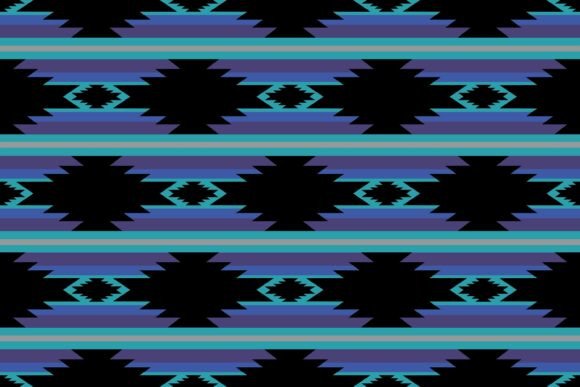
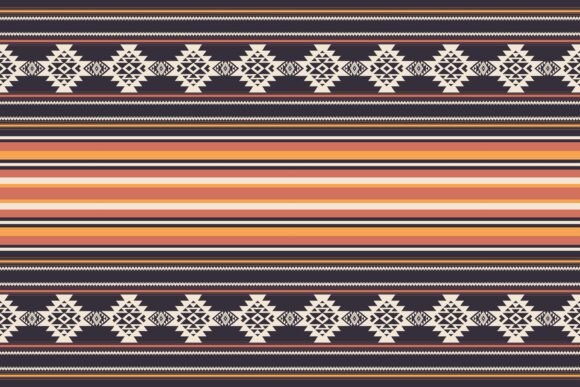
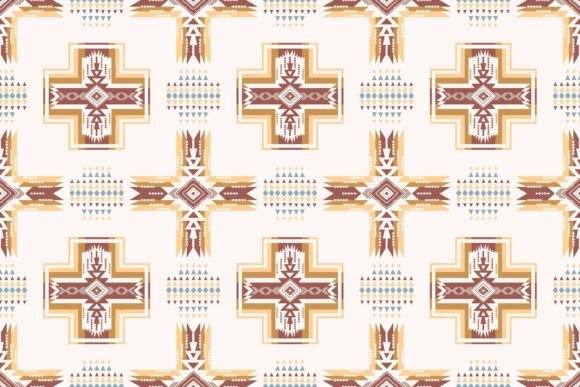
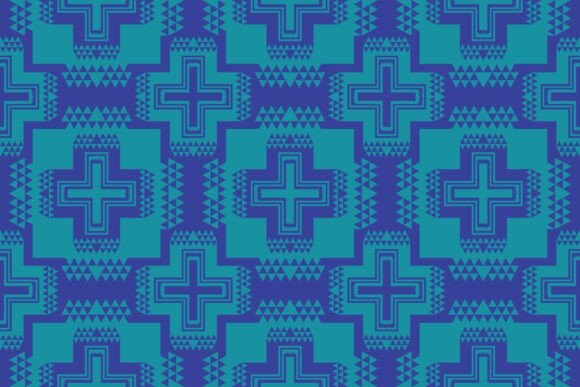
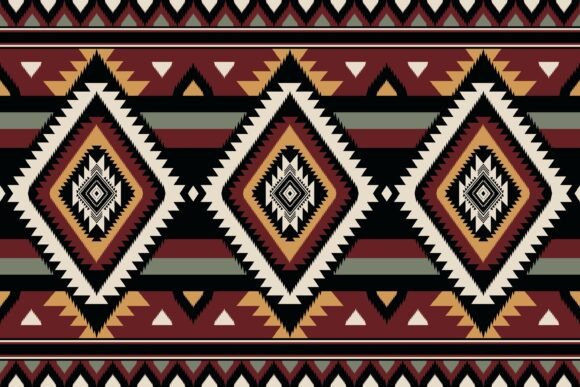
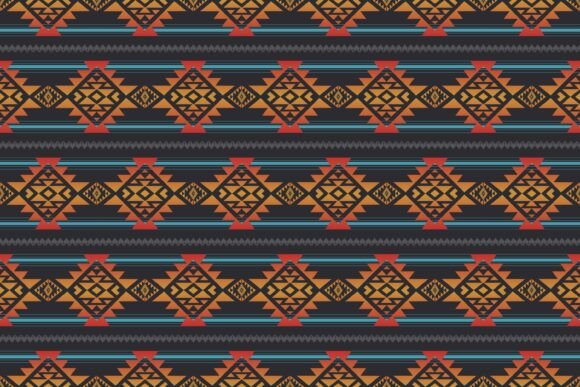
The first thing that stands out about the Colorful Southwestern Navajo Pattern is its strong visual identity. It’s clearly inspired by Native American motifs—geometric shapes, tribal lines, and a rich color palette come together to create a warm, earthy, yet modern feel. The layout is seamless, which makes it ideal for repeating backgrounds or wrapping around objects like pillows or bags. This pattern feels intentional and rooted in tradition, while still being versatile enough for contemporary home decor and fashion items.
What I appreciate most is the attention to detail. The design isn’t overcomplicated, but it has enough character to make a statement without overwhelming the viewer. That said, it’s not subtle either. If you're looking for something understated, this may not be your go-to choice. But if you want to evoke a sense of heritage and boldness, this pattern delivers.
Real-Life Application: Tote Bag Embroidery Test
To get a true sense of how this pattern would hold up, I tested it on a custom tote bag design. I used cotton canvas fabric, which is sturdy and common in handmade projects. After loading the digital embroidery file into my software, I adjusted the placement so the pattern wrapped neatly along the sides and bottom of the bag.
The result was striking. The colors popped well against the off-white background, and the stitching looked clean when using standard thread colors. However, I noticed that the density of the fill stitch areas could cause some stiffness in the fabric if not properly stabilized. This is a key consideration for anyone planning to use the design on stretchy or delicate materials.
Visual Appeal and Stitch Clarity
On the tote, the pattern added a lot of visual interest. The geometric elements are clear and defined, even after multiple passes through the hoop. The contrast between the dark outlines and bright fills made it easy to see each shape as they stitched out. For a casual shopper or market bag, this level of clarity is perfect—it doesn’t require a close inspection to catch the details.
I also tried a smaller version of the pattern on a baby blanket as a decorative border. The same principles applied, but I had to reduce the scale significantly. At that size, some of the finer lines became less distinct. So, unless you’re working with larger hoop sizes, I’d recommend simplifying or enlarging certain elements to maintain their impact.
Best Use Cases for Colorful Southwestern Navajo Pattern
- Holiday gifts: Think embroidered ornament boxes or gift tags where cultural flair can elevate the presentation.
- Home decor: Pillow covers, table runners, and wall hangings really benefit from the pattern’s organic flow and vivid colors.
- Custom apparel: Sweatshirts and hoodies work especially well since the fabric allows for denser stitching without compromising comfort.
- Boutique branding: The pattern could serve as a repeating background for small shop signage or packaging, giving your brand a cohesive, ethnic-inspired look.
- Digital product previews: As a printable mockup, the pattern adds authenticity to virtual displays of home goods or accessories.
Where Caution Is Needed
While the Colorful Southwestern Navajo Pattern is visually engaging, there are a few areas where you’ll want to tread carefully:
- Small hoop sizes: Due to the intricate nature of the pattern, smaller embroidery hoops can compress the design, making it harder to follow.
- Textured or stretchy fabrics: These can distort the fine lines and curves, especially in fill stitch sections. Stabilization is key here.
- Dark fabric backgrounds: The pattern relies on contrast, so if you place it on a very dark fabric, consider adjusting the thread colors for better visibility.
- Products needing frequent washing: Dense stitch areas may lead to pilling or wear over time. This is something to keep in mind for kitchen towels or aprons.
Customer Reaction and Giftability
When I showed the tote bag to friends and fellow crafters, the feedback was overwhelmingly positive. People loved the energy and cultural vibe of the pattern. It’s the kind of design that draws attention and invites questions. That makes it excellent for personalized gifts and handmade products, especially during holidays or special events like weddings.
However, I did notice one potential issue. Some customers expressed concern about the pattern being “too busy” for kids’ items. If you're targeting a more minimalist audience, consider using it as an accent rather than a full coverage design. For others, though, it's exactly what they're looking for—a standout piece that tells a story.
Designer Notes: Practical Tips for Using the Pattern
Before diving into production, I suggest the following steps to ensure the best results:
- Test on scrap fabric: Try different materials and thread combinations to see how the pattern reacts before committing to a large project.
- Check thread color contrast: Especially important if you plan to use it on darker or lighter bases. You don’t want the design to fade or blend in.
- Review stitch density: Adjust fill stitch settings if you’re working with thinner or stretchier materials. Over-stitching can warp the fabric.
- Confirm hoop size requirements: If not specified in the product description, double-check with the seller. Larger patterns need larger hoops to avoid distortion.
- Inspect small details: Zoom in on the digital file to ensure all elements are crisp and won’t disappear when scaled down.
- Use proper stabilizer: Especially for curved surfaces or multi-layered garments like hats or patches. Without stabilization, the design can lose its structure.
- Consider black and white mockups: This helps visualize how the pattern will look in grayscale, useful for monochrome thread palettes or tonal effects.
- Check licensing terms: If you plan to sell finished products or digital assets, make sure the design allows for commercial use. Licensing details should be included in the product description.
Project Value and Brand Consistency
From a business perspective, the Colorful Southwestern Navajo Pattern offers solid value. It can enhance the perceived quality of a craft business item or Etsy listing by adding a unique, culturally inspired touch. When paired with the right products, it can increase buyer engagement and help your brand stand out in a crowded marketplace.
That said, consistency is crucial. If you're building a brand around this motif, ensure that the pattern complements other design assets you're using. It works well with natural tones and textures but may clash with overly modern or minimalist styles.
Final Thoughts for Creative Entrepreneurs
The Colorful Southwestern Navajo Pattern is a powerful addition to any embroiderer’s collection. It brings a distinctive personality to embroidery projects, whether you're creating a sweatshirt embroidery or a nursery decor piece. Its versatility means it can adapt to a variety of uses, but only if you approach it thoughtfully.
If you're new to working with dense, detailed patterns, take extra time to understand how it behaves on different surfaces. But if you're ready to add some soul and color to your next project, this pattern is worth considering. Just remember: beauty meets function only when you test, adjust, and respect the limitations of your tools and materials.