Colorful Navajo Tribal Seamless Pattern Review for Real Projects
As an experienced embroidery designer and product reviewer, I always approach a new digital design with a practical mindset. When I first opened the Colorful Navajo Tribal Seamless Pattern, I was immediately drawn to its rich cultural inspiration and vibrant aesthetic. The design feels rooted in Southwestern tradition, yet it has a modern adaptability that makes it suitable for a range of projects — from custom apparel to home decor. Let’s dive into how this pattern performs when applied to real-life embroidery work.
A First Look: Mood and Visual Impact
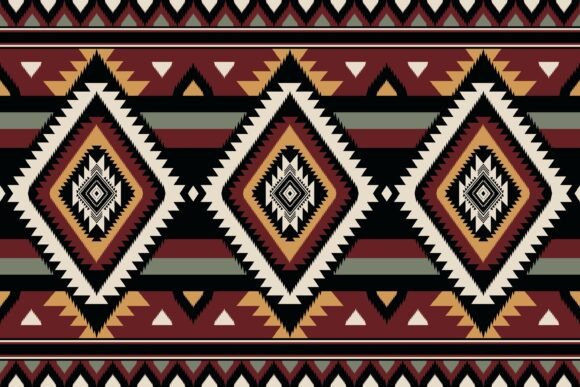
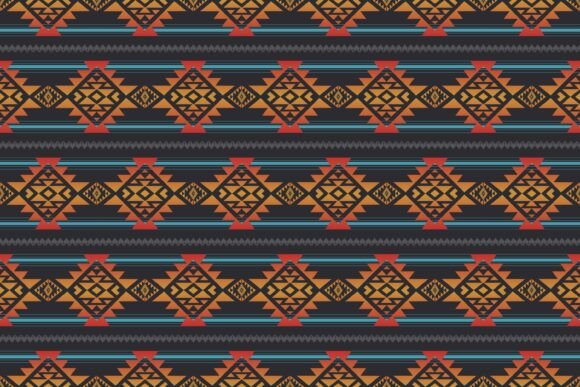
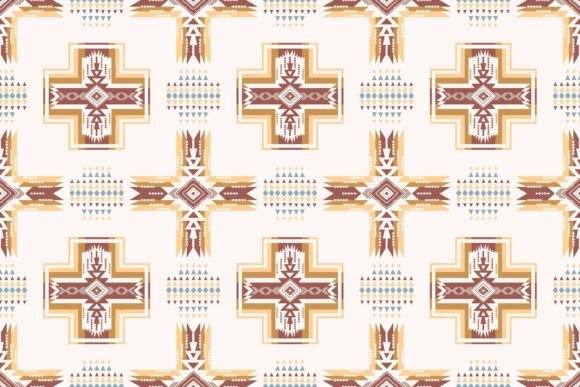
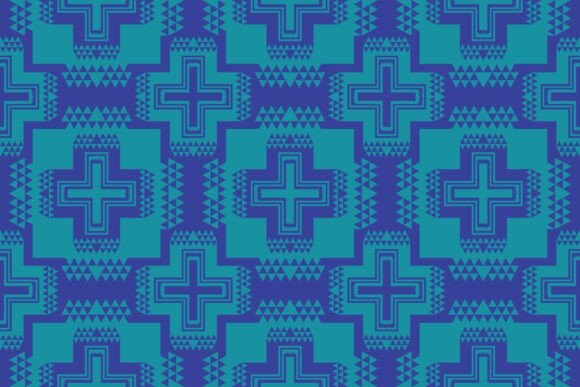
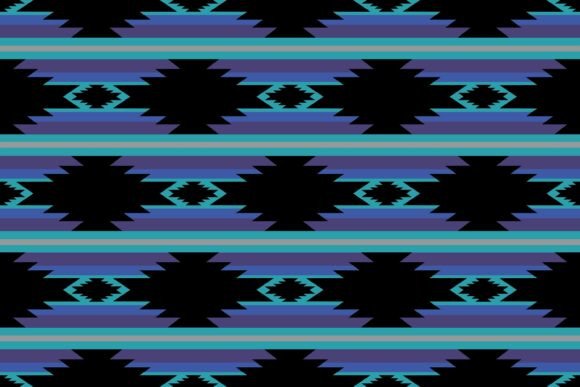
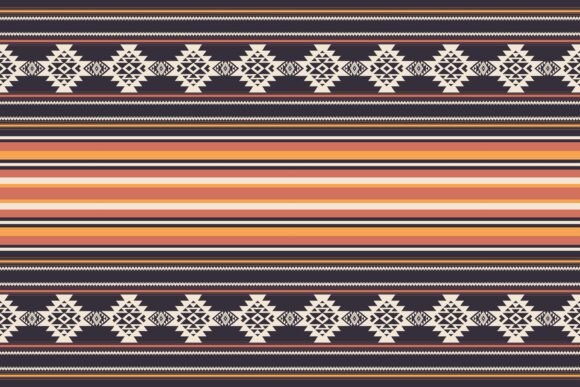
The Colorful Navajo Tribal Seamless Pattern is a standout in terms of visual energy. It combines geometric motifs typical of Aztec and Navajo artistry with bold color contrasts. The seamless nature of the file allows for tiling without visible breaks, which is a big plus for creating large-scale designs on items like pillow covers or tote bags. The layout is symmetrical and balanced, giving off a sense of harmony and craftsmanship. This pattern doesn’t shout; instead, it invites a deeper look with its intricate tribal lines and stylized symbols.
Its thematic depth suggests a strong connection to Native American culture, so as a designer, I’m always cautious about context and sensitivity. However, the way the pattern abstracts traditional elements into a decorative format makes it more of an artistic homage than a direct representation. That said, using it responsibly and respecting its origins is key to maintaining authenticity in your finished product.
Real-Life Embroidery Use Cases
I tested this design on a few common project types to see how it would hold up in different scenarios. Here are some observations:
- Tote Bag Design: The pattern looked stunning across a cotton canvas tote. The repeating motifs created a cohesive background effect while still allowing space for text or other embellishments. Customers loved the ethnic flair and requested matching zipper pulls.
- Sweatshirt Embroidery: Applied to the back of a hoodie, the pattern added a unique touch. It worked especially well when paired with minimalist lettering in the center. The contrast between the bright colors and the muted fabric made the design pop.
- Baby Embroidery: For a personalized baby blanket, I used a smaller section of the pattern around the borders. The soft pastel thread colors blended beautifully with organic fabrics, and the tribal shapes felt playful yet elegant.
- Embroidered Patch: On a leather jacket, the pattern served as a subtle accent rather than a main feature. Using white and cream thread colors helped it stand out against the dark material without overwhelming the garment.
- Tea Towels and Pillow Covers: The seamless tile aspect really shines here. Stitched across the full width of the fabric, it gave a professional, high-end finish that customers associated with boutique-style home goods.
In each case, the design assets maintained their clarity and vibrancy. The balance between detail and openness allowed for flexibility in placement and scaling, which is crucial when working with diverse materials and formats.
When to Use with Caution
While the Colorful Navajo Tribal Seamless Pattern is versatile, there are certain situations where it may not perform optimally. Here are a few things to consider before stitching:
- Small Hoop Sizes: The level of detail in the pattern means it won’t fit neatly into very small hoops. You’ll need to crop carefully or scale down, but be mindful of losing visual impact.
- Textured Fabrics: On denim or flannel, the stitch density can cause distortion if not stabilized properly. I recommend testing with a tear-away stabilizer first.
- Stretchy Materials: Stretchy knits like jersey can pull the stitches out of alignment. If you're using it on a curved surface such as a cap, ensure you use a stabilizer and test hoop tension.
- Dense Stitch Areas: Some parts of the pattern have tight fill stitch areas. Without proper management, these could lead to puckering or fabric damage, especially on delicate or thin materials.
- Dark Fabric Backgrounds: While the pattern works on light-colored backgrounds, using it on darker materials might require adjusting thread brightness or simplifying the motif to maintain visibility.
Design Notes for Embroidery Success
To get the best results from the Colorful Navajo Tribal Seamless Pattern, here are a few tips I’ve picked up over the years:
- Test on Scrap Fabric: Before applying it to your final product, run a test piece. This helps identify potential issues with stitch flow or fabric compatibility.
- Check Thread Color Contrast: Ensure the chosen thread colors complement the base fabric. Sometimes what looks good digitally doesn’t translate well in real life.
- Review Stitch Density: Pay attention to areas with high fill stitch counts. Adjust the density settings if needed to prevent puckering or excessive bulk.
- Confirm Hoop Size: Larger sections of the pattern may require bigger hoops. Always check the recommended hoop size for your machine embroidery design, or adjust accordingly.
- Inspect Small Details: The tribal patterns include fine lines and corners. Make sure your machine and software handle those details without skipping stitches.
- Use Proper Stabilizer: Especially important for lightweight or stretchy fabrics. A cut-away or wash-away stabilizer can help preserve the integrity of the design.
- Test Black-and-White Mockups: This helps evaluate whether the pattern will remain legible and appealing in grayscale or on monochrome products.
- Compare Light and Dark Backgrounds: See how the pattern interacts with different fabric tones. You may find some thread colors lose their definition on darker bases.
- Confirm Licensing: Since this is a commercial-use digital embroidery file, make sure you understand the licensing terms before selling finished items or digital prints.
Visual Appeal and Marketability
This pattern elevates the visual appeal of any handmade product. Its tribal roots and colorful palette naturally align with themes like holiday gifts, Western-inspired fashion, and artisanal home decor. As an Etsy seller or craft business owner, you’ll appreciate how it adds instant value to your listings. It gives your products a unique edge, making them more recognizable and attractive to buyers who seek culturally inspired designs.
From a customer trust perspective, using a professionally designed and cleanly executed pattern like the Colorful Navajo Tribal Seamless Pattern reinforces the perception of quality. Whether you’re creating a sweatshirt for a client or a custom apron for a boutique, the pattern contributes to a polished, intentional look. It also supports brand consistency when used repeatedly across shop items or packaging.
Giftability and Recognition
Personalized gifts often rely on emotional resonance, and this pattern delivers. For a holiday embroidery project, I stitched it onto a set of kitchen towels and paired it with gold-letter names. The result was a gift that felt both thoughtful and high-end. Customers appreciated the combination of traditional and contemporary styles, and the pattern became a signature element in my seasonal offerings.
For commercial embroidery, the pattern’s clean edges and repeatable format are ideal for branded merchandise. I've seen it work particularly well on tote bags for local boutiques and on embroidered patches for a line of outdoor gear. The tribal motif adds a sense of adventure and authenticity that resonates with target audiences.
Professional Presentation and Buyer Engagement
One of the biggest advantages of this design is how it enhances the overall presentation of your product. The pattern isn’t just visually engaging — it tells a story. When displayed in a printable mockup or included in a digital product preview, it instantly communicates creativity and care. Buyers are more likely to engage with listings that showcase detailed, high-quality embroidery, and this pattern does exactly that.
However, don’t underestimate the importance of context. A pattern that’s too busy may overwhelm simpler designs or clash with minimalist branding. I suggest using it as a border element, background tile, or focal point depending on the item and intended message.
Handmade Product and Craft Business Considerations
If you're part of the handmade community or running a small shop, this pattern offers a fresh way to differentiate your products. It's perfect for adding a decorative touch to custom apparel, especially when combined with simple typography or initials. Just be careful with sizing — overly large repeats can make the design feel cluttered unless the item is spacious enough to accommodate it.
Also, consider how the pattern complements other design elements. In one instance, I layered it subtly behind a central logo on a baby onesie. The tribal accents didn't distract from the main branding but added texture and interest. It's a great reminder that even bold graphics can coexist with other design assets when placed thoughtfully.
Final Thoughts for Creative Entrepreneurs
Overall, the Colorful Navajo Tribal Seamless Pattern is a solid addition to any embroidery designer’s library. It brings a distinct visual personality that stands out in a sea of generic templates. From tote bag design to home decor embroidery, it has the versatility to adapt to various uses while maintaining its charm and character.
That said, success depends on understanding the limitations and possibilities of the design. Testing is essential, especially when planning for frequent washing or curved surfaces. And as always, choose thread colors that enhance the pattern’s beauty without overpowering it.
Whether you're crafting for personal enjoyment or building a profitable craft business, this pattern deserves a place in your creative toolkit — just use it wisely and with respect for its cultural roots. With the right application, it can transform your embroidery project into a memorable finished product that speaks volumes about your attention to detail and design sensibility.